Hyaluronic acid is one of the few skincare ingredients almost every dermatologist and esthetician agrees on.
It’s already in your skin, it’s exceptionally good at holding water, and it works across nearly every skin type and concern, including acne-prone and sensitive skins.
Here’s what it actually does and how to get the most out of it.
What is hyaluronic acid?
Hyaluronic acid is a substance your body naturally produces, and it’s naturally occurring in the skin, where it helps attract and hold onto water.
Think of it as one of your skin’s natural moisture magnets: it binds water and helps keep the skin hydrated, supple, and comfortable.
With time, your skin naturally produces less hyaluronic acid.
This can contribute to changes in how well the skin retains moisture, which is one reason hyaluronic acid has become such a popular skincare ingredient. Applying hyaluronic acid topically helps replenish the skin’s hydration at the surface, giving it a softer, smoother, more plump-looking appearance.
You’ll find hyaluronic acid in everything from lightweight serums to moisturizers and masks. Because it works primarily by attracting and holding water, it pairs particularly well with other hydrating ingredients and can be incorporated into almost any skincare routine.
Why is HA called an acid?
We tend to attribute the name “acid” to exfoliation because of ingredients such as salicylic acid, glycolic acid, lactic acid, etc.
However, the “acid” in hyaluronic acid does not mean the same as in these other ingredients in skincare.
Hyaluronic acid (HA) is a glycosaminoglycan, a large sugar molecule naturally found in our skin, joints, and connective tissue. Chemically, it contains acidic groups, which is why “acid” is in the name.
But it is not an exfoliating acid. It doesn’t work by dissolving bonds between dead skin cells or lowering the skin’s pH to create exfoliation.
Instead, HA is primarily a humectant: it attracts and holds water, helping skin feel more hydrated, plump, and supple.
Hyaluronic acid vs sodium hyaluronate
Hyaluronic Acid (HA) is the original molecule; a naturally occurring glycosaminoglycan found throughout the skin and connective tissue.
It’s known for its ability to bind water and support hydration, plumpness, and elasticity.
Sodium Hyaluronate is the sodium salt of hyaluronic acid.
When hyaluronic acid reacts with sodium, it forms sodium hyaluronate. This form tends to be more stable and easier to formulate with, which is why you see it so frequently on skincare ingredient lists.
“Sodium Hyaluronate is the sodium salt of Hyaluronic Acid, a stable, highly effective form of this naturally occurring moisture-binding molecule.”
Jeannie Jarnot, Founder at Beauty Heroes
You’ll often hear that sodium hyaluronate is “smaller than hyaluronic acid and therefore penetrates deeper.” That’s not automatically true.
Molecular weight can vary dramatically for both forms depending on how the ingredient is manufactured. A formulator can use high-, medium-, or low-molecular-weight hyaluronate.
| Hyaluronic Acid | Sodium Hyaluronate | |
|---|---|---|
| What it is | Naturally occurring polysaccharide | Sodium salt of hyaluronic acid |
| Primary function | Hydration + water binding | Hydration + water binding |
| Stability | Generally less formulation-friendly | Generally more stable/easier to formulate |
| Molecular size | Depends on the material used | Depends on the material used |
| Skin benefit | Helps hydrate and plump | Helps hydrate and plump |
Does molecular weight matter?
Yes, but it’s not as complicated as it sounds.
Hyaluronic acid comes in different molecular weights, which simply means the molecules vary in size.
Different sizes behave differently on the skin, so formulas often combine several types to provide hydration at different levels of the skin’s surface.
- High molecular weight HA has larger molecules that primarily remain on the skin’s surface. It forms a lightweight, hydrating film that helps reduce water loss and leaves skin feeling soft, smooth, and moisturized.
- Medium molecular weight HA sits between larger and smaller forms. It can provide surface hydration while helping the skin maintain a comfortable, hydrated feel.
- Low molecular weight HA has smaller molecules that can interact more closely with the upper layers of the skin. It is commonly included in serums designed to provide a more substantial hydrating effect.
- Cross-linked HA is made by connecting hyaluronic acid molecules into a larger network. This structure can help the ingredient stay on the skin for longer, making it useful in formulas designed to provide longer-lasting hydration and a cushiony, plump feel.
- Hydrolyzed HA has been broken down into smaller fragments through a process called hydrolysis. It is often used alongside other forms of HA to add another type of hydration to a formula.
Rather than choosing one molecular weight over another, many premium hyaluronic acid serums combine multiple forms.
Using different molecular sizes allows a formula to provide complementary types of hydration, while cross-linked or modified forms can help extend the moisturizing effect.
What does hyaluronic acid do?
Hyaluronic acid is best known for one thing: helping your skin hold onto moisture.
As a humectant, it attracts water and helps keep it available at the skin’s surface, which can make dry or dehydrated skin feel softer, smoother, and more comfortable.
Hyaluronic helps your skin in three basic ways:
- Hydrates the skin
Hyaluronic acid is a humectant, meaning it attracts water and helps bind it to the skin. When you apply it as part of a skincare routine, it can increase the skin’s water content and help hold that hydration.
It can also help reduce transepidermal water loss (TEWL), which is the amount of water that naturally escapes from the skin into the surrounding air.
That extra hydration can make a noticeable difference in how your skin looks and feels.
Dehydrated skin tends to appear dull and can feel tight, while well-hydrated skin generally looks smoother and more supple.
- Makes skin look plumper
One of the reasons hyaluronic acid is so popular is the immediate difference hydration can make to the appearance of the skin.
When the outer layers of skin are well hydrated, they can look fuller and more plump.
This is particularly noticeable with dehydration lines, which are fine lines that can become more visible when the skin lacks moisture.
It’s worth keeping expectations realistic, though. This plumping effect comes from increased hydration, so it is temporary, not a permanent change to the structure of the skin.
- Supports the skin barrier
Healthy skin needs enough water to keep a strong, functioning barrier.
By helping the skin attract and retain moisture, hyaluronic acid can support the conditions the barrier needs to function well.
Well-hydrated skin is generally more comfortable and better able to maintain its balance.
Hyaluronic acid isn’t a replacement for the skin’s barrier lipids, such as ceramides, but it can complement them.
Hyaluronic acid benefits by skin type
One of the best things about hyaluronic acid is how easily it fits into most skincare routines.
Because it focuses on hydration rather than exfoliation or oil control, it can be useful whether your skin is dry, oily, acne-prone, or sensitive.
The key is choosing a formula that works with the rest of your routine.
Hyaluronic acid for dry skin
If your skin tends to feel tight, rough, or thirsty, hyaluronic acid can be a simple way to add more moisture to your routine.
As a humectant, it draws water toward the skin and helps it retain that moisture, helping prevent dehydration and leaving skin feeling softer and more comfortable.
For dry skin, HA works particularly well underneath a moisturizer. The serum or essence adds hydration, while the moisturizer helps reduce water loss and keeps that moisture in the skin.
Hyaluronic acid for oily skin
It may seem coutnerintuitive, but, yes, oily skin still needs hydration.
In fact, adding moisture without a heavy, greasy texture can make it easier to keep an oily-skin routine balanced and comfortable.
Hyaluronic acid is a good option because it provides lightweight hydration without being an oil or rich occlusive ingredient.
Look for lightweight serums, gels, or oil-free moisturizers if you prefer a fresh finish that layers easily under the rest of your routine.
For example, Oio Labs’ serum has the perfect texture for oily skin.
Hyaluronic acid for acne-prone skin
Hyaluronic acid can be a helpful addition to an acne-prone skincare routine because it provides hydration without adding a heavy layer of oil.
HA itself is not considered a pore-clogging ingredient, making it an easy companion to products designed to address breakouts.
It can also be useful when your routine includes ingredients that leave your skin feeling dry, such as salicylic acid or benzoyl peroxide.
A simple routine might use your acne treatment as directed, followed by a hydrating HA product and moisturizer to support the skin’s moisture levels.
Hyaluronic acid for sensitive skin
Sensitive skin often benefits from keeping hydration simple.
Hyaluronic acid can provide calming, lightweight moisture while supporting the skin barrier, which can help skin feel more comfortable when it is prone to dryness or irritation.
When choosing a hyaluronic acid product for sensitive skin, consider the entire formula rather than focusing on HA alone. Fragrance-free formulas with a short, straightforward ingredient list may be a good choice if your skin is easily reactive.
How to use hyaluronic acid
Hyaluronic acid is one of the easiest skincare ingredients to work into your routine. You’ll often find it in serums, essences and moisturizers, and it can be used morning, evening or both.
For an extra plump, dewy look, try incorporating hyaluronic acid into your morning routine. Its moisture-binding benefits can give skin an immediate boost of hydration and visible fullness, making it especially lovely before makeup or as part of a fresh, bare-skin look.
For a serum, the order is straightforward:
- Cleanse: Start with clean skin and gently pat your face dry, leaving it slightly damp.
- Leave skin slightly damp: Hyaluronic acid works by attracting and holding water, so applying it while your skin still has a little moisture can help support hydration.
- Apply your hyaluronic acid serum: Smooth a few drops over your face and neck and pat the product in.
- Apply moisturizer: Follow with a moisturizer to add more hydration and help reduce moisture loss.
- Finish with SPF in the morning: If you’re using HA during your morning routine, apply a broad-spectrum sunscreen as the final step.
If your skin feels tight after applying a hyaluronic acid serum, try using a little less product or applying it to damp rather than completely dry skin.
Your moisturizer is also an important part of the routine because HA attracts water, while a moisturizer helps lock that hydration in the skin.
Hyaluronic acid is generally easy to combine with other skincare ingredients, which is one reason it appears in so many different formulas.
It can add hydration alongside ingredients that target concerns such as uneven tone, breakouts, or visible signs of aging.
Some popular combinations include:
| Ingredient | Why |
|---|---|
| Vitamin C | Adds hydration alongside brightening and antioxidant benefits. |
| Niacinamide | Combines hydration with barrier-supporting benefits. |
| Retinol | Adds hydration and can help skin feel more comfortable when using retinol. |
| Peptides | Provides hydration alongside peptide-based skincare benefits. |
| Ceramides | An excellent pairing for supporting moisture retention and the skin barrier. |
| AHAs | Hydration can help keep skin feeling comfortable when using exfoliating acids. |
| BHAs | A useful combination for acne-prone skin, adding hydration alongside exfoliation. |
How to choose the best hyaluronic acid serum
The perfect hyaluronic acid serum will depend largely on its compositions, but when we trust marketing claims alone we miss the most important part.
When checking your ingredient lists, look for the following:
- Multiple molecular weights, for both surface and deeper hydration
- Supporting ingredients that round out the formula
- Ceramides, for barrier reinforcement
- Peptides, for added skin support
- Antioxidants, for environmental protection
- Clean formulation, sourced and processed thoughtfully
- A texture you’ll actually enjoy using daily
Avoid these…
- Sticky formulas that feel unpleasant to layer under makeup or SPF
- Excessive alcohol, which can undercut the hydration that you’re trying to add
- Unnecessary fragrance, especially if your skin is sensitive or reactive
Best hyaluronic acid serums at Beauty Heroes
Here are six different takes on hydration, from a five-form technical formula to a four-ingredient minimalist serum.
This serum delivers lightweight, multi-level hydration with five forms of hyaluronic acid compounds designed to attract and retain moisture.
Tamarind seed and algae extracts complement the HA blend, helping replenish parched skin while leaving it soft, smooth, refreshed, and radiant.
Its feather-light gel texture layers easily into any skincare routine.
This serum combines hyaluronic acid with glycerin and wakame seaweed extract to attract and retain moisture for a plumper, smoother-looking complexion.
Blue tansy, rich in naturally occurring skin-soothing compounds, complements the hydrating formula, and elderflower extract helps leave skin feeling soft and refreshed.
The lightweight serum absorbs quickly for a comfortable, luminous finish.
This hydrating booster keeps its formula short and potent, combining just three key ingredients: hyaluronic acid, Hawaiian hibiscus, and Hawaiian astaxanthin.
Hyaluronic acid helps attract and retain moisture for hydrated, supple-looking skin, hibiscus helps boost radiance and astaxanthin provides antioxidant protection against free-radical damage.
The concentrated booster makes it easy to add targeted hydration and plant-based antioxidants to your daily routine.
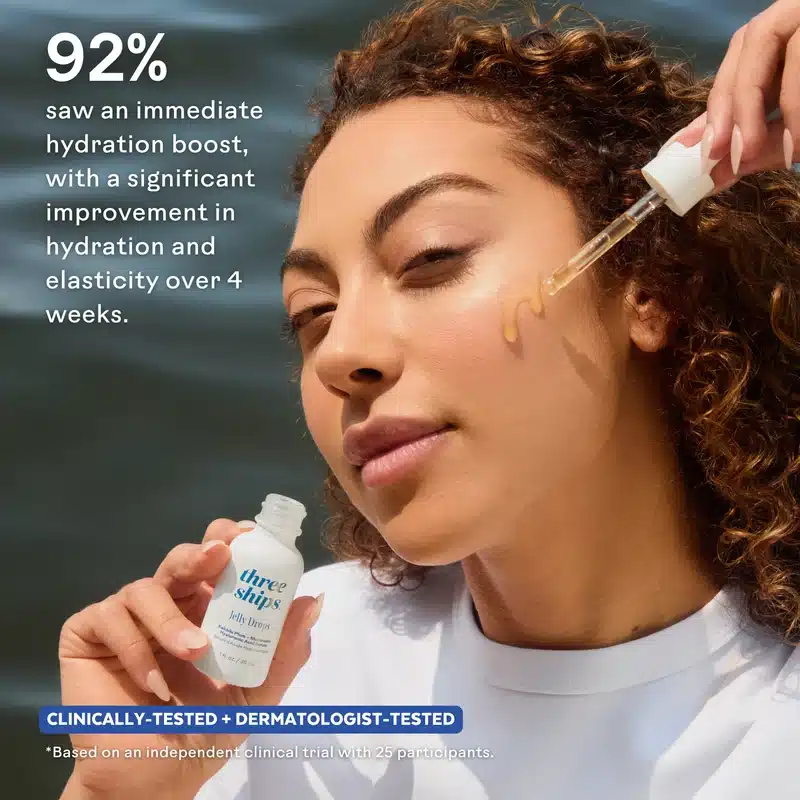
Three Ships combines hyaluronic acid, tremella mushroom, Kakadu plum, red algae, and vitamin C in a lightweight jelly serum for refreshing hydration.
Tremella mushroom works alongside hyaluronic acid to provide additional moisture-binding polysaccharides. Kakadu plum and vitamin C support a brighter, more even-looking complexion, and red algae adds antioxidant-rich hydration.
The result is smooth, moisturized, radiant-looking skin.
This serum is formulated specifically for sensitive and eczema-prone skin, combining hyaluronic acid with jojoba oil and vegetable glycerin to attract and retain moisture.
Jojoba helps replenish and soften dry skin, hyaluronic acid supports hydration and a more supple, comfortable feel. Muntries berry, riberry, and pepperberry extracts add antioxidant-rich botanical support, making this a gentle option for skin prone to dryness, tightness, and visible irritation.
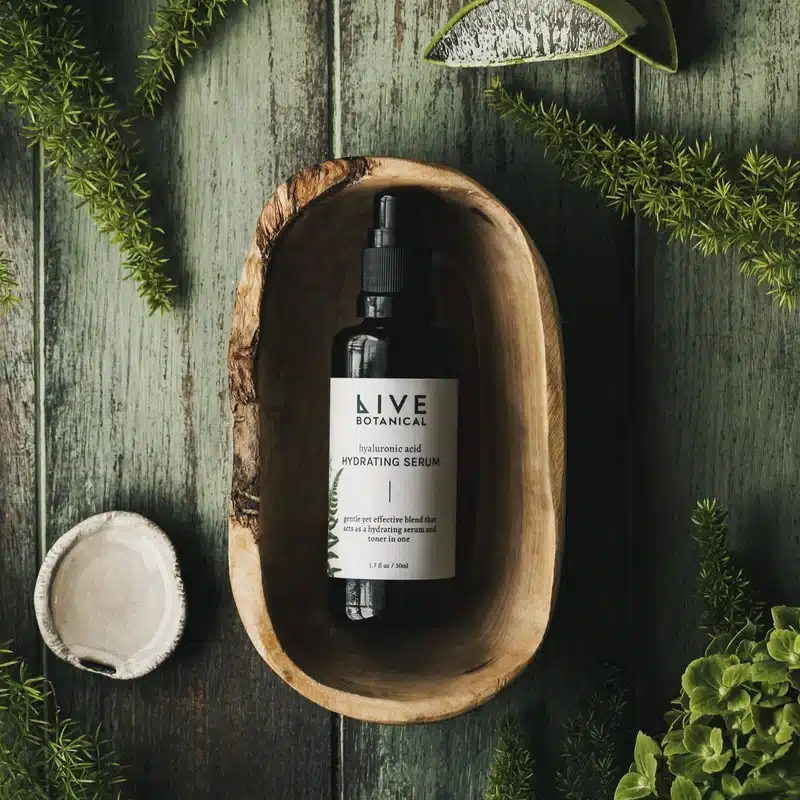
Live Botanical keeps hydration simple with just four ingredients, including multiple molecular weights of hyaluronic acid to help attract and retain moisture for a soft and plump feel.
Cold-processed aloe vera juice adds soothing hydration, and freshly distilled green tea hydrosol provides antioxidant support. The minimalist formula is an easy option for adding lightweight, multi-dimensional hydration to your routine.
Lock hydration in with Beauty Heroes
Hyaluronic acid is naturally occurring, broadly well-tolerated, and effective across nearly every skin type and concern, from dry and dehydrated to oily and acne-prone.
The molecular weight and the supporting ingredients in a formula matter more than any single percentage on a label, which is why the products above take such different approaches to the same ingredient.
As with all other ingredients, quality and sourcing matters.
At Beauty Heroes we are committed to offering the utmost quality and we make sure that every product meets out healthy beauty standard.
Browse around the hyaluronic acid collection or subscribe to the Discovery Box today.
Frequently Asked Questions (FAQs)
What percentage of hyaluronic acid is best?
There isn’t a universal “best” percentage. Most effective serums fall between 0.1% and 2%, and higher isn’t automatically better, because hyaluronic acid is a powerful humectant even at low concentrations.
The mix of molecular weights and the supporting ingredients in a formula tend to matter more than the number on the label.
Can hyaluronic be good for sensitive skin?
Generally, yes. It’s a naturally occurring molecule with a low risk of irritation, which is why it’s often the starting point when reintroducing actives to sensitive or reactive skin.
Look for fragrance-free formulas with minimal added extras to keep the risk of a reaction as low as possible.
Can hyaluronic acid help acne?
Indirectly, yes. Hyaluronic acid doesn’t treat acne itself, but it hydrates without clogging pores, which helps offset the dryness that acne treatments like benzoyl peroxide or salicylic acid can cause.
A well-hydrated, less irritated barrier tends to tolerate acne treatment better overall.
Should you apply hyaluronic acid before moisturizer?
Yes. Hyaluronic acid works best on damp skin, applied after cleansing (or a hydrating toner or mist) and before a moisturizer or facial oil.
That order helps seal the hydration in rather than letting it evaporate off the skin.
Is hyaluronic acid appropriate for all ages, from teens to mature?
Yes. Because hyaluronic acid is naturally present in skin at every age, it’s considered appropriate from the teen years through mature skin.
Younger skin may need it less urgently, since natural HA levels are still high, but there’s no age at which it stops being useful.