Acids might sound intimidating, but in skincare, they make all the difference.
Chemical exfoliation is the key to clearing your pores and renewing you skin in a way that scrubs could never achieve.
Not all exfoliating acids are equal. The right one can change your skin completely.
What are exfoliating acids in skincare?
Exfoliating acids are active skincare ingredients that break down the bonds between dead skin cells, allowing them to shed more easily, revealing fresher skin underneath.
Unlike physical exfoliants, which manually scrub the surface, these acids work in a more controlled and even way, helping improve texture, brightness, and overall skin clarity.
When used correctly, exfoliating acids can support smoother skin, more even tone, fewer breakouts, and a healthier-looking complexion.
When you choose the right acid for your skin, you’ll start to see a noticeable difference.
And contrary to what some believe, these acids are not harmful and the can, in fact, help restore your skin.
Exfoliating acids vs hyaluronic acid
Despite its name, hyaluronic acid is not an exfoliating acid.
It does not remove dead skin cells or resurface the skin. Instead, it acts as a humectant, drawing water into the skin and helping it stay hydrated and plump.
Exfoliating acids focus on renewal and resurfacing, while hyaluronic acid focuses on hydration and moisture retention. Both are valuable, but they serve completely different purposes within a routine.
Are acids harmful chemicals?
Exfoliating acids are often misunderstood because of the word “acid,” which can sound aggressive or damaging.
In reality, skincare acids are carefully formulated at safe concentrations and are designed to support the skin’s natural renewal process. The fear often comes from confusion with strong chemical peels, but everyday exfoliating products are much more balanced.
When used appropriately, acids are not harmful, they are some of the most effective and well-researched ingredients to improve your skin’s health and appearance.
What are AHAs, BHAs, or PHAs?
AHAs, BHAs, and PHAs are the three main categories of exfoliating acids used in skincare, each defined by how they interact with the skin.
AHAs are water-soluble acids that work on the surface to improve texture and brightness.
BHAs are oil-soluble, which allows them to penetrate into pores and help clear congestion.
PHAs are a newer generation of acids that provide very gentle surface exfoliation while also hydrating and supporting the skin barrier.
| Acid | What it does | Best for | Watch out for |
|---|---|---|---|
| AHA | Surface exfoliation | Dull, dry, uneven tone | Can irritate |
| BHA | Pore penetration (oil-soluble) | Acne, blackheads | Can be drying |
| PHA | Gentle surface exfoliation + hydration | Sensitive, reactive skin | Very mild (slower results) |
Let’s break this down a bit further.
What is AHA?
AHA = Alpha Hydroxy Acids
AHAs are water-soluble exfoliating acids that work on the outermost layer of the skin, helping to dissolve dead skin cells and improve overall radiance.
They are particularly effective if you want to target dullness, uneven tone, fine lines, and pigmentation, making them a popular choice for skin that needs visible renewal.
Their effectiveness depends on their molecular size. For example, glycolic acid penetrates more deeply, while lactic and mandelic acids offer gentler alternatives.
Best for:
- Dry skin
- Sun damage
- Dullness
- Uneven tone
What is BHA?
BHA = Beta Hydroxy Acid
BHAs are oil-soluble exfoliating acids, which allows them to penetrate into pores and break down excess sebum and buildup.
The most common BHA, salicylic acid, is especially effective when treating blackheads, clogged pores, and acne, it also offers anti-inflammatory benefits that help calm the skin.
Because of their deeper action, BHAs are best suited for oilier skin types, though they should be used carefully to avoid dryness.
Best for:
- Oily skin
- Acne-prone skin
- Blackheads / clogged pores
What is PHA?
PHA = Polyhydroxy Acid (your gentle queen)
PHAs, often described as the gentlest exfoliating acids, offer a softer and more supportive approach to exfoliation as they protect the skin barrier.
They are a perfect fit if you have sensitive or reactive skin or if “you never could tolerate acids”.
They work on the surface of the skin, similar to AHAs, but their larger molecular size means they penetrate slower, reducing irritation.
What makes them especially valuable is their dual function: They exfoliate and hydrate and support the skin barrier, often acting as humectants and antioxidants at the same time.
Common PHAs include gluconolactone and lactobionic acid.
Best for:
- Sensitive skin
- Perioral dermatitis / rosacea-prone
- Barrier repair phases
- Dry or dehydrated skin
An example here could include Three Ships Fresh Start Resurfacing Treatment.
A gentle yet effective exfoliating treatment, this formula is built around PHA-based resurfacing,
Prickly pear, rich in naturally occurring PHAs, meets lime pearl, a citric acid–packed AHA that boosts radiance and smooths texture. Skin is left clearer, softer, and more refined with each use.
Both of these ingredients create a balanced exfoliating system that improves skin clarity without the harsh side effects often associated with stronger chemical exfoliants.
With consistent use, the treatment helps to smooth uneven texture and brighten dull skin.

How to use exfoliating acids
Exfoliating acids are typically used after cleansing, applied through toners, essences, or serums before moisturizing.
They should be introduced gradually into your skincare routine and always followed by hydration to maintain balance.
Bear in mind that most exfoliating acids can be used 2-3 times per week. Over-exfoliation can actually work against your skin.
A simple approach works best: cleanse, apply your acid, then follow with soothing and hydrating products.
A calming mist can help reduce sensitivity and support the skin after exfoliation.
It’s also essential to use SPF, as exfoliating acids increase sun sensitivity.
Best exfoliating acids according to skin type
Like any skincare step, exfoliating acids work best when selected to suit your skin type and needs.
Oily skin
For oily skin, exfoliating acids should help regulate excess sebum while keeping pores clear.
Glycolic acid and salicylic acid are both effective ingredients for oily skin, but they work in different ways.
Glycolic acid, an AHA, exfoliates the surface of the skin to improve texture, smooth rough patches, and enhance brightness.
Salicylic acid, a BHA, goes deeper into the pores to dissolve excess oil and clear out congestion, making it especially helpful for reducing breakouts and blackheads. Used together or separately, they can help keep oily skin clearer, smoother, and more balanced.
Here are two exfoliating products well-suited for oily skin:
This toner is formulated with a multi-acid AHA complex. It combines glycolic acid, malic acid, citric acid, and tartaric acid, to dissolve dead skin cells gently and promote an even-looking complexion.
These fruit and flower-derived AHAs deliver effective surface exfoliation, helping to improve texture, boost radiance, and support visible skin renewal.
The acids are carried into the skin through a base rich in montmorillonite clay, sea kelp, and Irish moss, which help balance and condition the skin while enhancing absorption. It also contains glycerin, hyaluronic acid, green tea, chamomile, and hibiscus flower.
This formula is built around 2% salicylic acid (BHA) that helps unclog pores, reduce blackheads, and smooth uneven texture.
To counterbalance the intensity of BHA exfoliation, the formula is enriched with borage extract and tremella mushroom extract.
Additional actives such as ascorbic acid (vitamin C) and niacinamide contribute to improved brightness and tone. Tear tree oil and witch hazel help clear the skin further without stripping.

Dry skin
Dry skin benefits from exfoliation that does not strip moisture.
Lactic acid is ideal here because it exfoliates while also helping retain hydration, making it more comfortable for skin that feels tight or flaky.
We recommend:
A multi-level exfoliating treatment, this formula combines AHAs and BHAs from both direct acids and plant-derived sources to target skin renewal.
At the center of the formula is lactic acid, an AHA that exfoliates the skin’s surface while supporting hydration, alongside salicylic acid (BHA) and white willow bark extract, which work deeper to help unclog pores and reduce congestion.
The exfoliating effect is enhanced by a blend of fruit-derived AHAs, including extracts from bilberry, sugar cane, sugar maple, orange, lemon, and pineapple, which naturally contain glycolic, malic, citric, and tartaric acids.
Sensitive skin
Sensitive skin requires ingredients that calm, support, and gently refine the skin without triggering irritation.
Azelaic acid is a standout in this category, as it reduces inflammation, helps with redness, and improves overall tone, making it perfect to target rosacea.
Azelaic acid is not part of the AHA, BHA, or PHA families, but it plays an important role in many exfoliating routines. It may cause a slight tingling sensation at first, but is generally well tolerated.
PHAs are also key here, offering very mild exfoliation with added hydration, while ascorbic acid can help brighten and support mature or dull skin when well formulated.
Combination
Combination skin often needs a more balanced approach, and mandelic acid is particularly effective here.
Mandelic acid is an AHA with a larger molecular size, that penetrates the skin slowly, providing gentle exfoliation without overwhelming more sensitive areas.
It also has antibacterial properties, making it suitable for skin that experiences both dryness and breakouts and addresses hyperpigmentation across different skin tones.
Choose clean exfoliation
Exfoliation starts with choosing well-formulated products from brands you trust, ones that smooth and renew without disrupting the skin.
Clean beauty formulas reflect a more modern approach to exfoliation, one that focuses on long-term skin health rather than aggressive results.
Here are three more recommendations of exfoliants formulated with clean and natural ingredients:
This is an innovative resurfacing treatment designed to replicate the results of a professional facial, this formula takes a refined approach to exfoliation by combining alpha hydroxy acids with amino acids and bioactive ferments.
It supports gradual skin renewal and texture refinement.
The Facial is formulated with glutamic acid and succinic acid, two alpha amino acids that help encourage healthy-looking cell turnover while supporting hydration and skin conditioning. These are complemented by citric acid and gluconolactone, which provide gentle exfoliating action at the surface, helping to smooth and brighten the skin without irritation.
Raspberry cider vinegar (acetum) enhances the exfoliating effect while contributing to a more even-looking tone.
Plant-based actives such as noni extract and coconut fruit extract further condition and nourish the skin, ensuring that exfoliation is balanced with care.
Lightweight yet active, the formula works to refine skin texture, improve softness, and promote a more even, polished appearance.
A lightweight exfoliating essence that works through a synergy of fruit enzymes, botanical AHAs, and mild exfoliating extracts to improve skin texture without disruption.
Papaya enzymes (papain) help break down dead skin cells on the surface, promoting a smoother and more even complexion. This enzymatic exfoliation is supported by hibiscus extract, a natural source of AHAs, which helps to enhance brightness and improve the appearance of elasticity.
This treatment also contains willow bark extract, a natural source of salicylates and Hawaiian sugar (sucrose) that mildly exfoliates.
Coconut water and rose hydrosol deliver hydration and soothing benefits.
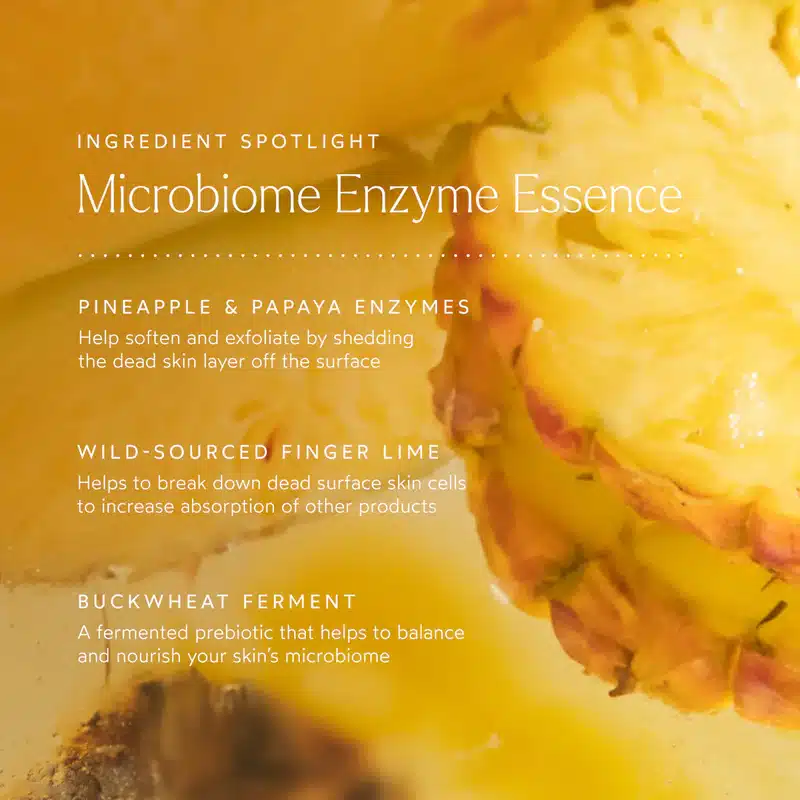
This essence combines mild AHAs with fruit enzymes and prebiotic actives to refine the skin, balance, and hydrate.
Rather than relying on strong acids, the formula takes a microbiome-friendly approach to exfoliation, supporting natural renewal without disrupting the skin barrier.
The exfoliating action comes from a blend of citric acid (AHA) and fruit-derived enzymes, including papain (from papaya) and bromelain (from pineapple), which help break down dead skin cells on the surface. This is enhanced by finger lime extract, a natural source of AHAs, which contributes to smoother texture and improved radiance.
Alongside exfoliation, the formula is designed to support skin health through buckwheat-derived prebiotics, which help nourish the skin’s microbiome and promote a more balanced, resilient complexion.
Find the best clean exfoliating acids at Beauty Heroes
Exfoliating acids, whether AHAs, BHAs, or PHAs, offer targeted ways to refine, brighten, and rebalance the skin when used thoughtfully.
It is important to choose acids that target your needs and skin types and that have clean formulation with supportive ingredients to lock in hydration and protect your skin barrier.
This is where clean beauty stands out. It focuses on effective exfoliation that works with your skin, not against it, combining active ingredients with nourishing botanicals and barrier-supporting elements.
If you are ready to build a routine that prioritizes both performance and ingredient integrity, the Beauty Heroes Discovery Box is a simple way to get started. Each monthly selection features consciously formulated skincare designed to help you experience results while supporting your skin at every step.
Plus, as a Beauty Heroes Member you can get a 15% discount on your favorite products.