“Clean beauty” is everywhere these days, but the term can still feel surprisingly unclear. Is it about ingredients? Sustainability? Organic farming? Minimal formulas?
The truth is, clean beauty isn’t one single category or certification. It’s a broader shift toward greater ingredient awareness, formulation transparency, and products designed with long-term skin health in mind.
Ahead, we’re breaking down what clean beauty really means, how it differs from terms like natural and organic, why these distinctions matter more than ever and why one retailer stands out from the rest when it comes to trust.
What Is Clean Beauty?
Clean beauty is a thoughtful approach to beauty formulation that prioritizes ingredient transparency, human and environmental health, and formulation integrity.
The problem here is that clean beauty has become one of the most discussed (and desired) terms in the beauty industry, but it’s also one of the most misunderstood.
Clean beauty is not a regulated term. In other words, there is no single universal definition that every brand, retailer, or manufacturer follows. As a result, standards can vary dramatically depending on who is using the term.
For some companies, clean beauty simply means avoiding a short list of ingredients. For others, it includes a broader philosophy around ingredient safety, sourcing practices, environmental impact, formulation integrity, and long-term human health considerations.
Nonetheless, the basics in clean beauty is to reflect a more thoughtful approach to product formulation and consumption. It encourages consumers to look beyond marketing buzzwords and ask deeper questions about what products contain, how they are made, and how repeated use may affect both people and the planet over time.
Clean beauty consumers focus more on skin barrier health, ingredient transparency, fragrance sensitivities, environmental impact, and the cumulative effect of using dozens of products daily for years.
Clean beauty varies between retailers and manufacturers, but the goal tends to be:
- Ingredient safety
- Transparency
- Environmental considerations
- Formulation integrity
- Human and environmental health.
Clean vs. Natural vs. Organic
Now, we have mentioned that clean beauty doesn’t have a standardized definition, and because of this it often gets confused with other terms, including natural, vegan, cruelty-free and organic.
And the truth is there is a big difference.
Natural beauty products are typically formulated with ingredients derived from plants, minerals, or naturally occurring sources. However, natural ingredients are not automatically safer, gentler, or more sustainable.
Poison ivy is natural. Essential oils are natural but some of them can trigger irritation for some skin types. Certain naturally derived ingredients may also involve environmentally intensive harvesting practices.
Organic beauty generally refers to ingredients grown according to organic agricultural standards.
While organic farming can offer important environmental benefits, organic ingredients are not automatically non-irritating once formulated into finished products.
Clean beauty, meanwhile, tends to focus on the broader formulation philosophy behind a product. This may include ingredient sourcing, safety considerations, transparency, biodegradability, preservation systems, and the overall integrity of the formula.
Importantly, many products marketed as “clean” can still contain ingredients some consumers may personally choose to avoid. That nuance matters.
Introducing Healthy Beauty
Healthy beauty considers both people and planet.
Clean and environmentally conscious beauty recognizes that product performance and sensory experience matter, but they should not come at the expense of environmental responsibility or formulation integrity.
It also acknowledges that sustainability cannot be separated from ingredient integrity.
A truly thoughtful beauty product considers the entire lifecycle of formulation: ingredient sourcing, manufacturing practices, environmental persistence, packaging decisions, skin compatibility, and long-term daily use.
Rather than promoting fear around cosmetics, healthy beauty encourages consumers to shop more intentionally and confidently.
This is the approach at Beauty Heroes.
Why Clean Beauty Matters
The clean beauty movement emerged in response to growing consumer curiosity about ingredient transparency and long-term wellness.
But the topic goes much further than your average “good ingredient versus bad ingredient” narrative.
Beauty routines have become more luxurious than ever before and involve dozens of different products.
A typical routine may include cleanser, serum, moisturizer, sunscreen, makeup, shampoo, conditioner, styling products, body lotion, and even personal fragrance.
What does this mean? You’re layering hundreds of different ingredients on your skin every day.
This repeated exposure has led many people to move toward clean beauty in order to pay attention to:
- skin barrier health
- unnecessary fragrance exposure
- overly complicated routines
- persistent environmental pollutants
- filler-heavy formulations
- ingredient transparency
- packaging waste
- long-term formulation quality
At the same time, skin sensitivity appears to be increasingly common. Fragrance sensitivities, over-exfoliation, and barrier disruption have all become more widely discussed as consumers adopt increasingly complex routines.
As a result, many shoppers are shifting away from aggressive trend cycles and toward fewer, better-formulated products that prioritize both efficacy and balance.
Clean beauty reflects a growing desire for greater transparency, intentionality, and trust within the beauty industry.
The Problem With “Clean Beauty” Marketing
Since there really isn’t a standard definition or clear rules, clean beauty marketing can also be deeply confusing if you don’t know what it is you actually want.
For example, one retailer may prohibit dozens of ingredients while another excludes only a handful. Some products rely heavily on marketing language that sounds reassuring but says very little about the actual formulation.
Terms like “non-toxic,” “green,” “natural,” and “chemical-free” are often used loosely, and clear scientific or regulatory standars are lacking in cosmetics.
This has contributed to what many consumers now call “clean-washing”; the practice of using wellness-oriented language without meaningful formulation standards behind it.
Ingredient lists themselves can also feel inaccessible. Cosmetic labeling is highly technical, and most consumers should not be expected to become cosmetic chemists in order to shop thoughtfully.
This is where the retailer you choose is important. Their “clean beauty” standard should align with your own goals and expectations.
A trusted retailer acts as a filter that helps you make your way through a crowded marketplace through rigorous vetting, education, and long-term standards rather than trend-driven marketing.
Beauty heroes has set a solid clean and healthy beauty standard that can be seen throughout the whole shop. Products are carefully vetted through ingredients, formulations, and sourcing to ensure products are meeting a higher standard for human and environmental safety.
What Makes a Truly Rigorous Clean Beauty Standard?
The strongest clean beauty standards evaluate products through a broad lens that includes formulation philosophy, ingredient sourcing, environmental impact, transparency, and overall integrity.
A thoughtful clean beauty standard should consider:
- how ingredients are sourced
- whether ingredients are biodegradable
- environmental persistence
- formulation concentration and efficacy
- unnecessary fillers or coating agents
- packaging sustainability
- preservation systems
- transparency from brand founders
- long-term skin compatibility
At Beauty Heroes, this philosophy shapes the company’s highly selective approach to curation.
Some excluded ingredients include synthetic fragrance, silicones, petroleum-derived ingredients, synthetic acrylates, and the common preservative, phenoxyethanol, from its assortment.
Many retailers and brands define “clean” differently, which is why understanding a retailer’s standards matters.
As Beauty Heroes founder, Jeannie Jarnot, explains:
“At Beauty Heroes, we believe ingredient standards should consider not only how products perform on skin, but also their environmental impact, formulation integrity, and long-term relationship with human health.”
This approach positions clean beauty less as a trend and more as an ongoing commitment to thoughtful formulation and responsible curation.
Why Retailer Trust Matters
One of the biggest challenges consumers face today is information overload.
The modern beauty industry moves quickly, with constant product launches, viral trends, conflicting ingredient opinions, and endless marketing claims competing for attention.
But most of the time, you don’t have the time or expertise to independently research every preservative system, polymer, sourcing practice, or formulation claim. Nor should you have to.
This is why choosing the right retailer for you and trusting them makes a difference.
A trusted retailer simplifies the process by acting as a knowledgeable curator rather than a massive marketplace. Instead of offering thousands of trend-driven products, a curated retailer analyzes the brands they carry through a consistent lens.
Beauty Heroes has built its reputation around this approach.
Beauty Heroes’ Clean Beauty Standard
If you’re looking for a clean beauty retailer you can trust, Beauty Heroes has set one of the strictest standards in clean beauty both in ingredient composition and environmental impact.

Beauty Heroes’ founder, Jeannie, carefully selects brands through rigorous ingredient standards, founder relationships, sourcing practices and a long-term commitment to education.
By being highly selective, you can guarantee that your experience will be rooted in trust, expertise, and thoughtful discovery.
When analyzing products, the process includes checking performance, formulation integrity, ingredient sourcing, and environmental considerations.
Beauty Heroes recognizes that clean beauty standards can vary widely across the industry, which is why clarity and consistency matter. The goal is not simply to create long “free-from” lists, but to support formulations that reflect thoughtful ingredient philosophy.
Education is another defining part of the Beauty Heroes philosophy.
In an industry where ingredient lists can feel difficult to navigate, the company places strong emphasis on helping you better understand formulation and product performance.
Through tutorials, founder interviews, ingredient education, and ongoing conversations around beauty standards, Beauty Heroes encourages a more informed and intentional approach to shopping.
Beauty Heroes also challenges the outdated assumption that clean beauty requires compromising on results or sensory experience.
Every product in the assortment is expected to meet high performance standards while maintaining formulation integrity.
That means avoiding “fairy-dusted” formulas built around trendy ingredients with little meaningful concentration or function. Instead, the focus is on well-balanced formulations where ingredient synergy, efficacy, texture, and long-term skin compatibility all work together.
Products are chosen because they perform beautifully, not simply because they fit within a marketing category.
Beyond ingredients alone, Beauty Heroes takes a broader view of sustainability and operational responsibility.
The company maintains in-house fulfillment and inventory oversight to help support product freshness and quality control, particularly important for formulations containing delicate botanical ingredients and active compounds.
Sustainability efforts also extend into packaging awareness, refill philosophies, and the company’s partnership with rePurpose Global as part of its plastic offset initiatives
One of the most distinctive parts of the Beauty Heroes experience is its highly curated discovery model.
Through monthly full-size beauty rituals and intentionally selected brand introductions, consumers are encouraged to explore products in a slower, more thoughtful way.

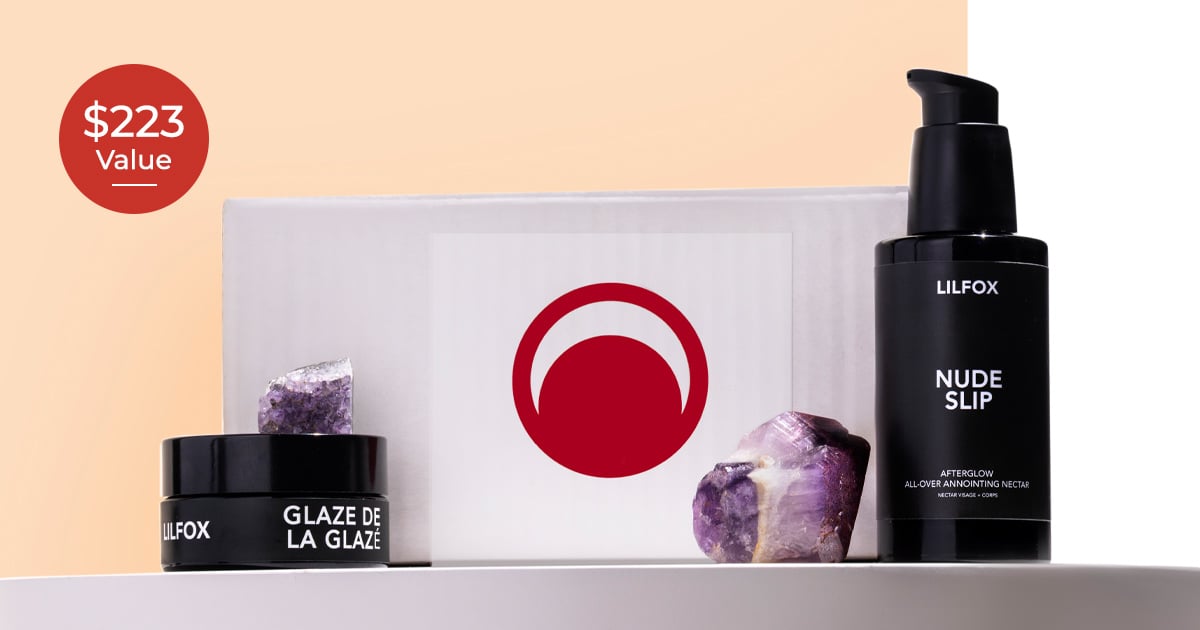
Beauty Heroes emphasizes meaningful discovery, introducing brands with context, education, and a clear sense of formulation philosophy through a monthly Discovery box.
Alongside Jeannie, the team selects a brand each month and includes two or three full sized products to give you the full ritual with products that work together.
Ingredients Many Clean Beauty Consumers Choose to Avoid
Ingredient preferences in beauty are deeply personal, and there is no universally perfect routine for every skin type, lifestyle, or philosophy.
Consumers are becoming more intentional about understanding not only what products do, but how they are formulated and how those formulations fit into transparency, environmental impact, and long-term use.
These ingredient categories are among the most commonly discussed within clean beauty.
- Synthetic fragrance
Fragrance is one of the most common causes of cosmetic sensitivity, particularly if you have reactive or easily irritated skin.
In conventional beauty products, synthetic fragrance blends can contain numerous undisclosed components grouped under a single listing such as “fragrance” or “parfum.”
The concern is not the fragrance itself, but the lack of transparency surrounding fragrance formulations.
Others may simply prefer products without strong scent profiles due to headaches, skin sensitivity, or personal wellness preferences.
- Silicones
Silicones are widely used in skincare, makeup, and haircare because they create a smooth, silky texture and help improve application.
In haircare especially, silicones are often used to reduce frizz and add shine by coating the hair shaft.
While many silicones are considered safe and effective cosmetic ingredients, some consumers choose to avoid them because they prefer lighter-feeling formulations or more botanical textures. Certain silicones have also raised questions around biodegradability and environmental persistence, particularly in rinse-off products that eventually enter waterways.
- Petroleum-derived ingredients
Petroleum-derived ingredients are commonly used throughout the beauty industry as emollients, stabilizers, solvents, and occlusive agents. Ingredients such as mineral oil and petrolatum can be effective to keep hydration and give products a silkier feel.
However, some clean beauty consumers prefer alternatives derived from renewable plant sources rather than fossil fuel-based ingredients.
For many shoppers, this preference is tied less to immediate safety concerns and more to broader environmental and sustainability philosophies surrounding sourcing and long-term ecological impact.
- Certain preservative systems
Preservatives play an essential role in cosmetic safety.
Any water-containing product requires preservation to help prevent the growth of mold, yeast, and harmful bacteria. Without effective preservation systems, skincare products could quickly become unsafe to use.
At the same time, some consumers choose to avoid certain preservatives due to personal sensitivities or broader ingredient preferences.
Ingredients such as phenoxyethanol, for example, are permitted in many cosmetic formulations and widely used across the industry, yet remain a point of discussion within some clean beauty standards.
Certain preservative ingredients, like parabens, also bring up endocrine disruption concerns, though scientific understanding in this area remains nuanced and highly dependent on concentration, formulation context, and cumulative exposure.
- Unnecessary fillers and persistent synthetic polymers
Modern beauty formulations can include a wide range of texture enhancers, coating agents, stabilizers, and synthetic polymers designed to improve feel, consistency, or shelf life. These include carbomers, polyethylene-based ingredients, acrylates copolymers, and silicone elastomers
Persistent synthetic polymers, in particular, are avoided due to biodegradability and microplastic pollution.
Additionally, unnecessary fillers can dilute active ingredients or create a misleading perception of performance.
Cosmetic science is complex, and formulation quality depends on many factors beyond whether an ingredient is natural or synthetic. Clean beauty, at its best, encourages you to look into formulation integrity, environmental considerations, and long-term product use.
Build a Thoughtful Clean Beauty Routine
A thoughtful clean beauty routine does not need to involve dozens of complicated steps.
In fact, many consumers are moving toward simpler routines built around fewer, higher-quality products that support skin barrier health and deliver consistent performance over time.
Rather than chasing every trend, the focus shifts toward formulation integrity, texture, compatibility, and long-term skin comfort.
Beauty Heroes founder Jeannie Jarnot’s personal favorites reflect this philosophy well.
For example, begin with a double cleansing.
First with Pai Skin Middlemist Seven Cream Cleanser.
This creamy cleanser is formulated for delicate and sensitive skin, using nourishing plant oils like camellia, sweet almond, and castor seed to gently dissolve makeup and impurities without disrupting the skin barrier.
Shea butter, glycerin, and lactobacillus ferment help support hydration and comfort, while rose, lavender, and may chang oils create a soft botanical cleansing experience that leaves skin feeling calm and replenished.
Then go in with Free + True Milk + Tansy Bi-Phase Essence.
This bi-phase acts as a hydrating serum that pairs soothing botanicals with lightweight hydration, combining aloe vera, blue tansy, jojoba, baobab, and watermelon seed oils to help calm skin while supporting softness and moisture balance.
The bi-phase formula also features sodium hyaluronate and a fruit complex of watermelon, apple, and lentil extracts to deliver hydration in a texture that feels both refreshing and nourishing without heaviness.
For a Vitamin C serum, you can’t go wrong with Maya Chia Super Lift Vitamin C.
This complete treatment combines multiple forms of vitamin C with niacinamide, tranexamic acid, and ferulic acid to support brightness, tone, and overall skin radiance while helping soften the appearance of fine lines.
Peptides, astaxanthin-rich algae extract, fermented ingredients, and hydrating chia seed oil further support skin resilience and moisture, creating a lightweight treatment designed to deliver both antioxidant protection and smooth, makeup-friendly texture.
To deeply hydrate and nourish your body, Activist Mānuka Green Botanical Body Oil is the perfect choice.
This oil blends nutrient-dense plant and marine botanicals, including mānuka, kawakawa, blue tansy, algae, kiwi seed, rosehip, and olive-derived squalane, to nourish your skin and protect your skin barrier.
It leaves your skin feeling velvety and replenished with a fresh, herbaceous botanical finish.

For luxurious haircare, try REVERIE Milk Anti-Frizz Leave-In Treatment.
It combines pracaxi oil, sustainably sourced shea butter, sweet almond protein, and amino acids like arginine to help soften, smooth, and support more manageable hair without heaviness.
French mushroom extract and moisture-binding ingredients further enhance hydration and conditioning, creating a lightweight formula that works across a wide range of hair textures and styling routines.
This routine will help you build a sensorial ritual while also aligning with your personal values and protecting your skin.
Clean beauty expands to makeup as well. These products avoid ingredients like vinyl or talc.
Clean and healthy makeup contains nourishing ingredients that will help you repair your skin while looking beautiful.
Shop Clean Beauty With Confidence
Clean beauty standards may vary, but the goal stays the same: formulas that care for your skin without creating unnecessary compromises for your health or the planet.
At its core, clean beauty is about transparency, thoughtful ingredients, and products you can actually feel good about using daily.
The tricky part? Sorting through the endless claims, labels, and marketing language.
That’s where thoughtful curation changes everything. Beauty Heroes cuts through the noise with rigorous standards, ingredient transparency, and high-performing formulas chosen with long-term skin health in mind.