

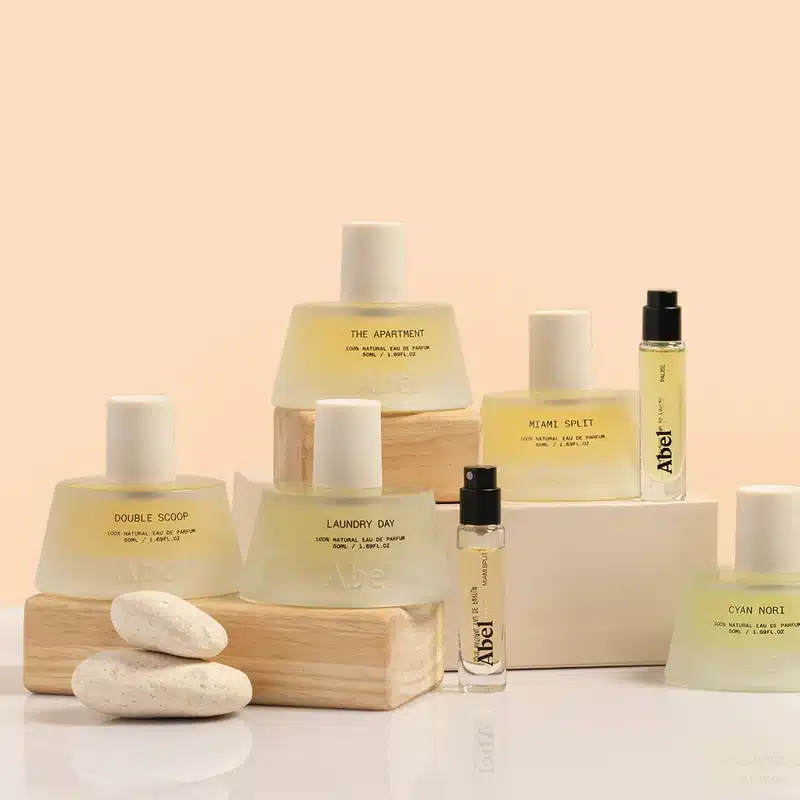
A beautiful fragrance begins with the scent, but what goes into the bottle matters just as much.
With no universal definition of “clean” fragrance, understanding aromatic ingredients, their
origins, and how they’re formulated brings new meaning to the ritual of wearing perfume. From
botanical extracts and natural isolates to innovative biotechnology, modern perfumery offers
many ways to create a memorable scent. At Beauty Heroes, we look beyond the label —
considering ingredient integrity, transparent sourcing, environmental impact, and the artistry
behind every formula we carry.
FIND THE PERFECT CLEAN AND HEALTHY SCENT AT BEAUTY HEROES
What Makes a Fragrance “Clean”?
“Clean fragrance” isn’t a universally regulated category, which means the word clean on a bottle
doesn’t establish one consistent ingredient standard. Some brands emphasize botanical materials,
while others incorporate naturally derived aromatic isolates or biotechnology. What matters is
how clearly a brand communicates what goes into its fragrance, where those materials come
from, and why they’ve been chosen.
That broader industry definition is different from the standard we set at Beauty Heroes. Every
fragrance in our curation is free from synthetic fragrance and evaluated against our Healthy
Beauty Ingredient Standard. Beyond the aromatic blend, we consider ingredient selection,
responsible sourcing, formulation integrity, brand values, packaging, and environmental impact.
Beautiful fragrance, thoughtful standards, and a commitment to people and the planet — all in
the same bottle.

What Does Non-Synthetic Fragrance Mean?
Non-synthetic fragrance generally refers to formulas made without synthetic fragrance
ingredients, including synthetic musks and petroleum-derived aromatic compounds. Depending
on a brand’s standards, exclusions may also include phthalates and synthetic dyes. But the distinction goes beyond simply labeling an ingredient natural or synthetic — modern perfumery
draws on several sources of aromatic ingredients, each with its own origins and production
methods.
- Essential oils: Concentrated aromatic materials extracted from plants.
- Botanical extracts and absolutes: Aromatic compounds obtained from flowers, leaves,
fruits, woods, roots, resins, and other plant materials. - Natural isolates: Individual aromatic compounds separated from a natural source.
- Naturally derived materials: Aromatic ingredients that begin with natural raw materials
but undergo further processing. - Biotechnology-derived aromatics: Ingredients produced through biological processes, such
as fermentation, often using renewable materials rather than direct plant extraction. - Synthetic aroma chemicals: Aromatic compounds manufactured through chemical
synthesis rather than extracted directly from natural sources.
These distinctions matter because natural, naturally derived, and non-synthetic aren’t
interchangeable terms. Understanding where an ingredient comes from, how it’s produced, and
how it contributes to the finished formula offers a more complete picture of what makes a
fragrance thoughtfully formulated.
At Beauty Heroes, our standards go beyond simply choosing natural ingredients. We exclude
synthetic fragrance, phthalates, and petroleum-derived ingredients while considering responsible
sourcing, formulation integrity, and environmental impact. From botanical extracts to innovative
biotechnology, every ingredient is evaluated against our commitment to Healthy Beauty.
Natural vs Clean Fragrance
Natural fragrance gets its scent from nature, typically through essential oils extracted from
flowers and leaves, botanical extracts from fruits and roots, and aromatic compounds found in
woods, resins, and other plant materials. These ingredients create everything from fresh citrus
and delicate florals to warm, earthy notes, but natural doesn’t automatically mean better or safer
for every skin type. Essential oils can be highly concentrated, and naturally occurring aromatic
compounds can still cause sensitivity. How those ingredients are grown, harvested, extracted,
processed, and sourced matters just as much as their botanical origins.
Clean fragrance takes a broader approach, considering the entire formula and the standards
behind it, including:
- Ingredient selection
- Transparency
- Manufacturing practices
- Responsible sourcing
- Environmental considerations
- Brand standards
Rather than defining a fragrance solely by whether its ingredients are natural or synthetic, the
focus is on understanding what goes into the formula, how those ingredients are produced, and
the standards guiding their use.
At Beauty Heroes, our Healthy Beauty Ingredient Standard takes that commitment further.
Synthetic fragrance is never part of our curation, and every formula is evaluated for ingredient
integrity, thoughtful formulation, responsible sourcing, and environmental impact. It’s a more
considered approach to fragrance that goes beyond the label.
Why Are People Choosing Clean and Non-Synthetic Fragrance?
Fragrance is deeply personal. From bright citrus and delicate florals to warm woods and rich,
earthy notes, the scents we’re drawn to are as individual as the people wearing them. But as we
become more intentional about the ingredients in our skincare and personal care, it’s worth
giving our fragrances the same attention. A beautiful scent should be about more than what
meets the nose.
Here’s where things get complicated. In the U.S., fragrance ingredients can be listed collectively as
“fragrance” or “parfum,” without disclosing the individual components. With dozens of aromatic
ingredients potentially tucked into a single formula, often protected as trade secrets, knowing
exactly what’s in the bottle isn’t always easy. For those seeking botanical alternatives, responsible
sourcing, or greater ingredient transparency, that missing information matters.
And it’s not just about preferences. Certain fragrances can trigger headaches, skin irritation, or
allergic reactions, while questions about long-term exposure to ingredients with potential
endocrine activity have brought even more attention to fragrance formulations. There’s also
growing awareness around cumulative exposure to ingredients across everyday products,
sometimes referred to as our toxic load. These concerns deserve thoughtful consideration, with
research that accounts for the specific ingredient, concentration, and level of exposure rather
than treating every fragrance the same.
That’s why ingredient transparency is so important. Understanding what goes into a fragrance,
where it comes from, and how it’s formulated creates room for more informed choices — and
brings us to one of the most common questions surrounding conventional fragrance ingredients.
Are Fragrance Ingredients Endocrine Disruptors?
Not all fragrance ingredients are created equal, and some deserve a closer look. Diethyl phthalate
(DEP), historically used as a solvent and fixative, and synthetic musks such as galaxolide (HHCB)
and tonalide (AHTN) have been studied for potential endocrine activity. While the research varies
by ingredient and level of exposure, it raises important questions about what goes into the
fragrances we wear every day.
The challenge? Fragrance formulas have long been protected as trade secrets, allowing dozens,
sometimes hundreds, of aromatic ingredients to fall under a single word on a label — “fragrance”
or “parfum.” That leaves a lot undisclosed, especially when ingredient selection, sourcing, and
formulation practices all contribute to the bigger picture.
At Beauty Heroes, we believe ingredient transparency shouldn’t be a guessing game. Our Healthy
Beauty Ingredient Standard excludes synthetic fragrance and known endocrine disruptors,
taking the guesswork out of discovering beautiful scents made with intention. Because when it
comes to fragrance, what you leave out matters just as much as what you put in.
What to Look for in a Clean Fragrance
A fragrance can be beautifully made and still leave you curious about what makes it different.
These six considerations offer a practical way to look beyond the label — whether you’re
researching a new perfumer or finding your next signature scent.
1. Transparent Ingredient Information
Look for brands that explain their aromatic ingredients and formulation approach. Do they
describe the materials behind the scent, where they come from, and whether the perfume
contains botanical extracts, natural isolates, or other derived aromatics? Meaningful detail offers
more than an undefined “clean” claim.
2. A Clear Fragrance Philosophy
Two fragrance houses can share a commitment to thoughtful perfumery and still express it
differently. One might build predominantly around essential oils and absolutes while another
might use responsibly sourced botanicals alongside natural materials created through
biotechnology. What matters is a philosophy the brand can explain and stand behind.
Abel is a beautiful example of this philosophy in practice, bringing traditional perfumery
together with modern biotechnology to create sophisticated, natural fragrance. Founded by
Frances Shoemack, the brand was built on the belief that natural perfume could be every bit as
nuanced, expressive, and long-lasting as conventional fine fragrance — without compromising its
commitment to thoughtful ingredients and innovation.
3. Responsible Ingredient Sourcing
The story of a botanical doesn’t end at its scent. Growing practices, harvesting, biodiversity, and
relationships with growers can influence the impact of an ingredient long before it reaches a
perfume bottle. A brand might choose organically grown botanicals, upcycled citrus materials, or
carefully managed sources for precious woods and resins. Those choices give greater meaning to
the finished fragrance.
4. The Complete Formula
A beautiful rose note or warm sandalwood accord tells you something about how a perfume
smells, but not everything about how it’s made. The supporting aromatic ingredients, carriers,
processing methods, and formulation standards matter as much as the star note. Look for the full
picture rather than relying on one recognizable botanical.
5. Your Scent and Skin Preferences
The most thoughtfully made fragrance still needs to feel like you. Eau de parfum generally offers
a different intensity and wear experience from a lighter mist, while perfume oils and balms sit
closer to the skin and make reapplication part of the ritual. Concentration, aromatic materials,
and application all influence how a scent wears, so the format alone won’t guarantee longevity or
projection.
From citrus and green notes to soft florals, grounding woods, spice, and warm vanilla, there’s
room for every scent personality. Give your fragrance time to develop on your skin before
deciding, as temperature, application, and the products you layer can all influence how its notes
unfold.
6. A Retailer With Standards You Trust
You shouldn’t have to decode every ingredient list on your own. At Beauty Heroes, our curation is
built around a comprehensive Healthy Beauty Ingredient Standard that considers ingredients,
formulation, sourcing, sustainability, and brand integrity. Every fragrance we carry is free from
synthetic fragrance, so you can spend less time deciphering labels and more time discovering
what you love.

Discover The Best Clean + Healthy Fragrance at Beauty Heroes
One of the pleasures of natural perfumery is discovering how different brands interpret scent.
Our fragrance collection brings together botanical perfumers and innovative makers, from
bright, fresh compositions to rich resins, atmospheric woods, and soft, skin-close oils. Each has its
own creative signature, with our Healthy Beauty Standard as the common thread.
Abel
Abel was founded in New Zealand by former winemaker Frances Shoemack, who believed
natural fragrance could deliver the same sophistication, complexity, and staying power as
conventional fine fragrance. Blending traditional perfumery with innovative biotechnology, Abel
works with perfumer Isaac Sinclair and biochemist Dr. Fanny Grau to create what the brand
describes as 100% natural fragrances.
Rather than relying exclusively on essential oils, Abel combines botanical oils and absolutes with
aromatic materials produced through biotechnology, bringing a modern approach to natural
perfumery without compromising complexity or craftsmanship.
Two Abel fragrances worth discovering:
Two of Abel’s best fragrances include:
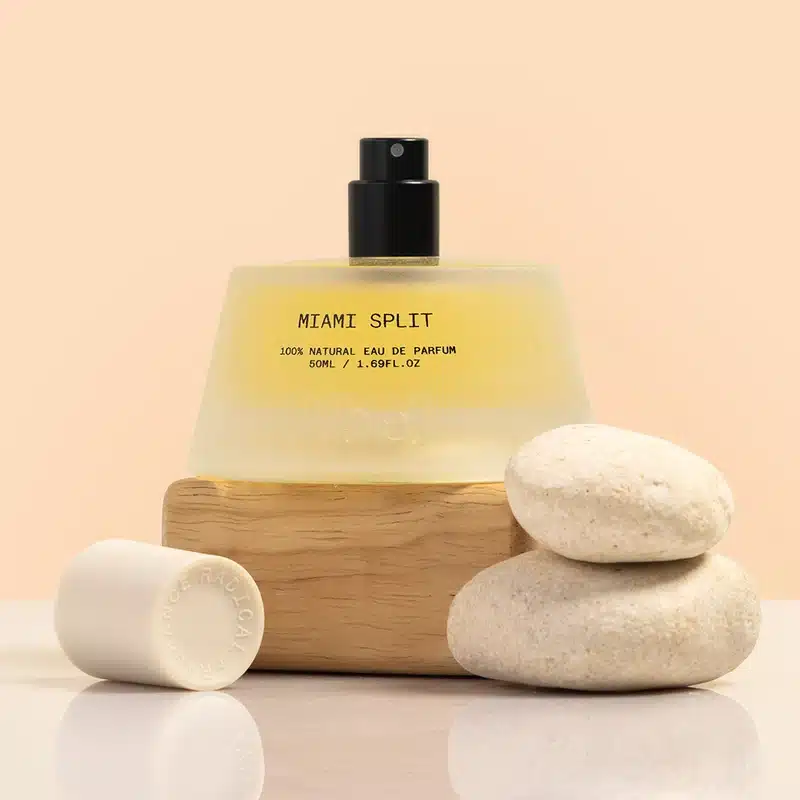
For those drawn to something beyond traditional florals and citrus, Miami Split brings an
unexpected twist to natural fragrance. An intriguing green banana accord opens the scent
before giving way to rich white oud and a layered labdanum base. The result is creamy,
earthy, and woody, with a playful fruit note that gives the deeper composition a modern edge.
A fresh take on aquatic fragrance, Cyan Nori pairs salty nori with bright tangerine and juicy
white peach before settling into a warm, musky base. Salty, sweet, and slightly
unconventional, it’s an unexpected interpretation of a fresh marine scent.

Routine
Routine brings a playful perspective to personal care, creating botanical formulas that make
everyday rituals a little more enjoyable. With an emphasis on natural ingredients, thoughtful
formulation, and lower-impact packaging, the brand makes fragrance an experience worth
savoring rather than simply the finishing touch.
Alongside its deodorants, mists, and body oils, one of our favorites is the Botanic Perfume Balm,
an alcohol-free solid fragrance made with botanical oils and extracts, without synthetic
fragrance. Its aromatic blends draw from ingredients such as patchouli, ylang ylang, orange,
vanilla, cinnamon, cardamom, vetiver, eucalyptus, geranium, black spruce, and cocoa.
Designed to melt into skin, this portable balm offers a more intimate fragrance experience that
wears close rather than filling the room. Easy to carry and reapply throughout the day, it’s a
playful way to make scent part of your daily ritual.
Three scent personalities to explore:
- Sexy Sadie — Sweet and spicy, blending ylang ylang, orange, vanilla, and cinnamon.
- Superstar — Warm and rich, pairing tonka with sage, cardamom, and rosalina.
- The Curator — Green and aromatic, with eucalyptus, geranium, black spruce, and cocoa.
BODHA
BODHA approaches fragrance as part of our everyday sensory experience, creating natural
perfumes, incense, and candles with an emphasis on thoughtful craftsmanship, responsible
sourcing, small-scale production, and mindful packaging.
Its perfume oils combine natural and naturally derived aromatic ingredients from flowers, bark,
resins, and other botanicals in a base of organic fractionated coconut oil. Formulated according to
IFRA standards and EU allergen guidelines, these considered compositions bring a more
intentional approach to personal fragrance.
BODHA Perfume Oils are designed to become part of your daily scent ritual, with a roll-on
application that keeps fragrance close to the skin and makes layering or reapplication effortless.
Four distinct scents invite discovery:
- Earth — Warm woods, smoked resins, and forest moss create an earthy, grounding
composition. - Plants — A bright, green blend of citrus rind, tomato leaf, and fresh resins.
- Air — Sparkling yuzu meets spring blossoms and golden resins for a fresh, uplifting scent.
- Moon — Soft and atmospheric, with powdery minerals, woods, and a touch of smoke.

Leahlani
Leahlani was born from founder Leah Klasovsky’s connection to Hawai‘i, where tropical flowers,
lush greenery, and the natural beauty of the islands continue to inspire her approach to skincare
and fragrance. Each scent captures a little island spirit, from warm beaches and fragrant florals
to the botanical richness of the Hawaiian landscape.
Leahlani Perfume Oils blend organic essential oils, botanical extracts, and floral extracts into a
base of organic fractionated coconut oil. Their botanical compositions offer a softer, more
intimate fragrance experience than traditional alcohol-based perfumes.
Two tropical scents to discover:
- Mahana — A warm tropical gourmand pairing exotic vanilla bean with sweet coconut for a
soft, beachy finish. - Pua Lei — A lush floral blend of creamy tropical blossoms, sweet tuberose, and puakenikeni,
inspired by the traditional Hawaiian lei.

Bathing Culture
Bathing Culture celebrates the ritual of bathing and its connection to nature, culture, and
everyday well-being. Extending that philosophy into fragrance, its Perfume Oils are composed
exclusively of plant oils and essences, with scent profiles inspired by the diverse landscapes of
California.
Each formula combines a fractionated coconut oil base with aromatic botanicals, including clary
sage, rose geranium, lavender, basil, patchouli, ylang ylang, cedarwood, vetiver, citrus,
frankincense, and other essential oils and plant extracts. Select ingredients are certified organic,
bringing another layer of consideration to these nature-inspired compositions.
Three scents capture a different side of California:
- Break Water — Crisp and coastal, with seaweed, magnolia, laurel, citrus, and herbs that
evoke salty Pacific air. - Cathedral Grove — Deep and woody, with balsam, vetiver, frankincense, cedarwood, juniper,
and pine. - Meadow Vision — Fresh and herbal, blending clary sage, rose geranium, spearmint,
lavender, basil, pink pepper, patchouli, ylang ylang, and cedarwood.

Ayuna
Ayuna brings together green technology, botanical ingredients, and science through a minimalist
approach to Healthy Beauty. Rooted in intentional formulation and conscious craftsmanship, the
brand creates carefully considered products where every ingredient has a purpose.
Dojo carries that philosophy into fragrance, combining a botanical alcohol base with a natural,
essential-oil-based aromatic blend. Gurjum balsam, holy wood, myrrh, chamomile, rosemary,
buchu, Texas cedar, white breu, benzoin resin, and guaiac join botanical extracts such as vetiver
to create a warm, complex composition with depth and character.
With 65% organic ingredients, Dojo brings together botanical richness and modern formulation
for a distinctive approach to natural perfume.

A Clean Fragrance for Every Kind of Scent Lover
Whether you gravitate toward the marine freshness of Abel Cyan Nori, the tropical warmth of
Leahlani Mahana, the grounding woods of Ayuna Dojo, or a soft, skin-close Routine balm,
beautiful fragrance doesn’t have to follow one formula or scent profile. What connects these
discoveries is our commitment to thoughtful ingredients, intentional craftsmanship, and
fragrance that’s free from synthetic fragrance.
Explore the scents that speak to you, and discover how personal a Healthy Beauty fragrance
ritual can be. on nearly all eligible store products, making it even more rewarding to find a scent you’ll return to.
FIND THE PERFECT CLEAN AND HEALTHY SCENT AT BEAUTY HEROES


