Have you ever thought you weren’t doing your skincare routine correctly?
You’re not alone.
- 80% of Americans don’t wash their face properly
- 63% of women use the wrong products because they aren’t aware of skin type
- Over 70% of people don’t include sunscreen in their routine
- 40% of Gen Z do not hydrate the skin
- Overexfoliation is the main cause of most skin concerns
If any of these facts resonate, we’re here to help you build the perfect and simple skincare routine.
Oh, and yes, the order of the steps matters! But we’ve built the perfect routine for you.
What Should Be in My Skincare Routine?
One of the biggest skincare mistakes is using too many products without understanding their purpose or order.
Especially when you introduce multiple new products at once.
Layering strong actives incorrectly, combining incompatible ingredients, or constantly switching products can compromise your skin barrier, trigger sensitivity, and actually slow your progress.
A good routine should:
- Cleanse without stripping
- Hydrate without clogging
- Protect without irritating
- Treat without overwhelming
Rather than chasing trends, focus on building a foundational routine that protects your barrier’s health.
Once that foundation is strong, you can thoughtfully introduce targeted treatments like vitamin C, retinoids, or exfoliating acids.
First thing’s first, let’s start with the basics.
The Basics of a Skincare Routine
These are the non-negotiable steps that form the foundation of any effective skincare routine. Whether your skin is oily, dry, acne-prone, sensitive, or mature, these steps remain essential.
Cleanser
Cleansing removes dirt, excess oil, makeup, sunscreen, and environmental pollutants that accumulate throughout the day.
Proper cleansing helps prevent clogged pores, dullness, and inflammation. However, over-cleansing can disrupt the skin’s natural barrier, so most people benefit from washing their face once at night and, if needed, lightly again in the morning.
When choosing a cleanser:
- Opt for a gentle, non-stripping formula
- Avoid harsh sulfates
- Look for nourishing ingredients like aloe, glycerin, or mild plant-based surfactants
Your skin should feel clean, comfortable, and balanced after washing. Not tight, squeaky, or stripped.
If your face feels dry or uncomfortable immediately after cleansing, your cleanser may be too harsh or simply not suited to your skin type. For example, foaming cleansers can sometimes leave dry or sensitive skin needing more moisture than they provide.
In the morning, cleansing can be lighter, sometimes just a gentle rinse or mild cleanser is enough. Your nighttime cleanse should be more thorough to remove sunscreen, makeup, excess oil, and daily environmental buildup.
Toner
Toner, often in the form of a hydrating mist or botanical essence, replenishes moisture immediately after cleansing. This step helps refresh the skin and creates the ideal foundation for serums, oils, and moisturizers that follow.
Many people focus heavily on oils and creams but neglect water-based hydration, which is essential for plump, resilient skin.
Misting the skin with a hydrating toner or essence adds a layer of water and soothing ingredients that prepare the skin for the next steps. This step helps:
- Improve absorption of serums and moisturizers
- Calm inflammation
- Increase plumpness and glow
- Support the skin barrier
Look for ingredients such as hyaluronic acid, glycerin, aloe vera, niacinamide, or panthenol.
Hydration = healthy skin.
Skin needs both water and oil to function properly. Hydration replenishes water, while moisturizer seals it in. Skipping hydration can leave even oily skin dehydrated and overcompensating with excess oil production.
This step is especially helpful for dry skin, which often benefits from an extra layer of hydration after cleansing.
Toners help prepare the skin to better absorb the serums and moisturizers that follow.
Moisturizer
Moisturizer locks in hydration and prevents transepidermal water loss, which is the natural evaporation of water from the skin’s surface.
When your skin loses water it becomes dry, irritated, and more prone to sensitivity and fine lines.
Which moisturizer you choose should depend on your skin type:
- Lightweight gels or lotions for oily or acne-prone skin
- Creams or emulsions for normal or combination skin
- Rich creams or balms for dry, mature, or barrier-compromised skin
Barrier-supporting ingredients to look for include ceramides, squalane, fatty acids, or shea butter.
Clean formulations matter here. Avoid heavy synthetic fragrances or unnecessary fillers that can trigger irritation over time.
A good moisturizer doesn’t just soften the skin temporarily, it strengthens the barrier long term.
SPF
Sunscreen is the single most important step in any morning skincare routine.
You can use the best serums and treatments in the world, but without sun protection, progress will be undone.
Daily SPF:
- Protects against premature aging
- Prevents hyperpigmentation and sun spots
- Reduces collagen breakdown
- Lowers skin cancer risk
UV exposure is responsible for up to 80–90% of visible skin aging. That includes fine lines, wrinkles, sagging, and uneven tone.
Wear SPF 30 or higher every single day. Yes, even on cloudy days or when indoors near windows. UVA rays penetrate glass and contribute to long-term skin damage, and some research suggests prolonged exposure to blue light from screens may also impact skin over time.
Many people prefer clean mineral sunscreens (zinc oxide-based) because they provide broad-spectrum protection and aren’t fully absorbed.
Apply sunscreen as the final step of your morning routine and reapply throughout the day.
Add More to Your Skincare Routine
Once the basics are established you can thoughtfully enhance your routine and address specific concerns you may have.
Like extra hydration, sebum control, breakouts, signs of aging…
These steps are optional and should be introduced slowly, one at a time, so you can monitor how your skin responds.
The goal is never to overwhelm your skin, but to strategically support it.
Double Cleansing
Double cleansing is especially helpful if you wear makeup, sunscreen, or live in a polluted environment.
Throughout the day, layers of SPF, foundation, sweat, and environmental debris accumulate on the skin. A single cleanse may not fully remove everything.
Double cleansing involves two steps:
- First cleanse: An oil or balm cleanser to dissolve makeup, sunscreen, and excess sebum.
- Second cleanse: A gentle, water-based cleanser to remove residual impurities and refresh the skin.
This method ensures thorough cleansing without stripping the skin barrier. The oil binds to oil-based debris, while the second cleanse removes water-based residue.
When done correctly, double cleansing leaves skin clean, balanced, comfortable, and prepared to absorb the next steps in your routine. However, if you don’t wear makeup or heavy SPF, a single gentle cleanse at night is often sufficient.
Serums
Serums are concentrated treatments designed to address specific skin concerns such as dehydration, dullness, hyperpigmentation, fine lines, or breakouts.
Because they contain smaller molecular structures, they penetrate more deeply than moisturizers.
Apply serums after your toner (or cleanser if you don’t use toner) and before moisturizer. Make sure to spread the product in thin layers so it absorbs correctly.
Stick to one or two serums maximum per routine to avoid ingredient overload.
Examples of targeted serum ingredients:
- Vitamin C for brightening and antioxidant protection
- Niacinamide for barrier repair and oil balance
- Hyaluronic acid for hydration
- Peptides for firmness
- Tranexamic acid or licorice root for hyperpigmentation
Choose clean formulations with purposeful ingredients rather than long, complicated ingredient lists.
Well-formulated serums deliver results without unnecessary fillers or irritants.
Retinol
Retinol is one of the most researched and effective ingredients for improving texture, tone, acne, and visible signs of aging.
It increases cell turnover and supports collagen production, making it a powerful addition to an established routine.
However, retinol should be introduced carefully:
- Use only at night
- Start 1–2 times per week
- Apply a pea-sized amount
- Always follow with moisturizer
If irritation occurs, reduce frequency or apply moisturizer before and after retinol (the “sandwich method”).
For sensitive skin, clean retinol alternatives like encapsulated retinol or gentler vitamin A derivatives can offer gradual results with less irritation.
Most importantly, retinol increases photosensitivity. Daily SPF is non-negotiable when using vitamin A.
Exfoliation
Exfoliation removes dead skin cells from the surface, helping improve brightness, smoothness, and product absorption.
But over-exfoliating is one of the fastest ways to damage your skin barrier.
Think of exfoliation as a supportive step that you can take once or twice a week.
Choose gentle enzyme exfoliants, mild acids, or soft scrubs and avoid combining exfoliation with retinol on the same night (unless directed by a professional)
Over-exfoliation can cause redness, sensitivity, breakouts, and barrier disruption.
With exfoliation it is important that you choose one with safe and clean ingredients. These are 3 of our favorite choices:
- One Love Organics Brand New Day Scrub
This is a hybrid scrub-masque that exfoliates, buffs, and smooths your skin without compromising your skin barrier.
It combines both chemical and physical exfoliation. The fruit enzymes from the banana and mango help dissolve buildup while keeping the skin nourished and hydrated.
The mineral‑rich clay works to balance excess sebum and refine the appearance of pores, making it ideal for maintaining clarity and smooth texture.
- Mukti Deep Cleanse Enzyme Mask
This is a chemical clay exfoliating face mask that helps draw out impurities to detoxify the skin.
This deep cleanse enzyme mask is formulated with mineral-rich kaolin and bentonite clay. It lifts congestion, while antioxidant botanicals like acai, pomegranate, and green tea help protect and soothe skin during the process.
The result is clarified, smoother, and brighter skin with minimal irritation, perfect for occasional deep cleansing.
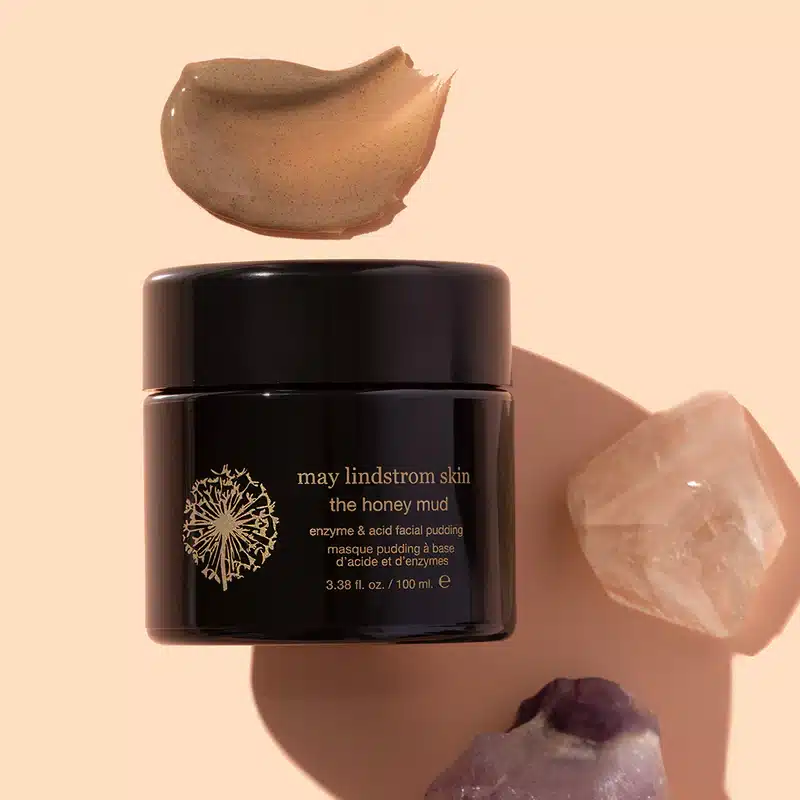
- Activist Mānuka Honey Mask
This ultra-nourishing mask combines enzymatic and moisture-retentive exfoliation with the natural humectant and soothing power of Manuka honey (850+ MGO).
The honey gently dissolves surface buildup and deeply hydrates your skin, and additional botanical extracts help calm and soften. It’s a great option for sensitive, dry, or reactive skin that needs gentle renewal without dryness or irritation.

The key is moderation. Exfoliation should enhance your routine, not replace hydration and barrier care.
Adding more steps does not automatically mean better skin. A well-balanced routine is built slowly, with intention. Start with the basics. Strengthen your barrier. Then layer in treatments based on your skin’s needs.
How to Build the Best Skincare Routine
Now you know the main steps that take part in any skincare routine, now let’s get into the specifics and how to choose the best steps for your skin type and concerns.
Your skin type will be a deciding factor when choosing products and ingredients.
You can choose the best product and best ingredients, but if they don’t work well with your skin type, the won’t give you results. On the contrary, they could lead to breakouts or tight skin.
When your routine aligns with your skin’s needs, you’re more likely to see consistent improvements in texture, clarity, hydration, and overall skin health.
Assess your skin type
Your skin type is largely determined by how much oil (sebum) your skin naturally produces and how well it maintains hydration. Most people fall into one of four main categories:
- Dry skin
Dry skin produces less oil than normal skin, which can lead to tightness, rough texture, and flaking.
It may also feel uncomfortable after cleansing and can be more prone to sensitivity or irritation.
People with dry skin benefit from richer moisturizers, barrier-supporting ingredients, and gentle, milky cleansers.
- Oily skin
Oily skin produces excess sebum, which can lead to shine, enlarged pores, and a higher likelihood of breakouts.
While oily skin may feel frustrating, it often ages more slowly due to its natural lubrication.
Lightweight moisturizers, balancing ingredients, gentle exfoliation, and foaming cleansers can help maintain clarity without over-drying the skin.
- Combination skin
Combination skin features both oily and dry areas.
Typically, the T-zone (forehead, nose, and chin) produces more oil, while the cheeks and outer areas may be normal or dry.
This skin type benefits from balanced routines that hydrate without clogging pores and may require different products for different areas of the face.
- Sensitive skin
Sensitive skin reacts easily to environmental triggers or skincare ingredients. It may experience redness, irritation, stinging, or inflammation when exposed to certain products.
If you have sensitive skin, you should prioritize minimal, clean formulations with calming and barrier-supporting ingredients.
Decide what concerns you need to target
In addition to skin type, most people have one or more skin concerns they want to address.
These concerns often guide the selection of targeted treatments such as serums, exfoliants, or retinoids.
- Acne or congestion
Breakouts occur when pores become clogged with oil, dead skin cells, and bacteria.
This can result in blackheads, whiteheads, or inflammatory acne. Ingredients that regulate oil, gently exfoliate, and support skin renewal can help improve congestion over time.
Choose products that contain niacinamide, salicylic acid, retinol, or azelaic acid.
- Fine lines and wrinkles
As skin ages, collagen and elastin production gradually decrease.
This leads to the appearance of fine lines, wrinkles, and reduced firmness.
Ingredients that support collagen production, hydration, and cell turnover, such as retinoids and antioxidants, can help improve skin texture and resilience.
- Hyperpigmentation
Hyperpigmentation refers to areas of uneven skin tone caused by excess melanin production. This may appear as sunspots, dark spots, or post-acne marks.
Consistent sun protection, gentle exfoliation, and targeted brightening ingredients, like Vitamin C, azelaic acid, or AHAs, can help gradually fade discoloration.
- Dehydration or redness
Dehydrated skin lacks water, not oil.
This can occur in any skin type, including oily skin. Dehydration often appears as dullness, tightness, or fine lines.
Hydrating ingredients such as hyaluronic acid or squalane and barrier-supporting oils help restore balance and comfort.
Build Your Routine Step by Step
A common mistake when starting a skincare routine is introducing too many products at once.
Start simple, with a cleanser, a moisturizer and a hydrating SPF. Once you have found the right products, your skin will be ready to build from there.
In general, skincare products should be applied from lightest to richest texture, allowing thinner formulas to absorb first before sealing everything in with moisturizers or oils.
At first, you can use the same products in your morning and night routine, but as you move along, you can make your routines more specific.
Morning Skincare Routine Order
Your morning routine should focus on protection, hydration, and antioxidant support to help defend the skin against environmental stressors like UV exposure, pollution, and oxidative damage.
1. Cleanser (optional)
Some people prefer a gentle cleanse in the morning, while others simply rinse with water if their skin feels balanced.
The goal is to remove overnight oil buildup without stripping the skin.
Look for mild, barrier-supportive ingredients such as:
- Glycerin – attracts moisture to the skin
- Aloe vera – soothing and hydrating
- Green tea extract – antioxidant protection
- Chamomile – calming for sensitive skin
Avoid harsh sulfates that can disrupt the skin barrier.
2. Serum
Serums deliver concentrated active ingredients that address specific concerns. Morning serums often focus on brightening, hydration, and antioxidant protection.
Examples of helpful morning ingredients include:
- Vitamin C – brightens skin and helps reduce hyperpigmentation
- Niacinamide – balances oil production and improves skin tone
- Hyaluronic acid – deeply hydrates and plumps the skin
- Peptides – support collagen and skin firmness
A simple vitamin C serum, for example, can help protect against environmental stress while improving overall radiance.
3. Moisturizer
Moisturizer helps maintain skin hydration and protects the skin barrier by preventing transepidermal water loss.
The texture you choose should match your skin type:
- Lightweight gel moisturizers for oily or acne-prone skin
- Cream moisturizers for normal or combination skin
- Richer balms or creams for dry or mature skin
Look for barrier-supportive ingredients such as:
- Ceramides – strengthen the skin barrier
- Squalane – lightweight hydration that mimics natural skin oils
- Shea butter – nourishing and protective
- Panthenol (Vitamin B5) – soothing and repairing
4. SPF
Sunscreen is the most important step in your morning routine.
Daily sun protection helps prevent premature aging, hyperpigmentation, and skin damage caused by UV radiation.
Consistent SPF use protects collagen, prevents dark spots from worsening, and supports the effectiveness of other skincare ingredients. Don’t forget to reapply throughout the day.
Effective sunscreen ingredients include:
- Zinc oxide – broad-spectrum mineral protection against UVA and UVB
- Titanium dioxide – protects against UV radiation
- Antioxidants like vitamin E or green tea – help neutralize free radicals
Dermatology research shows that UV exposure is responsible for up to 80–90% of visible skin aging, including wrinkles, pigmentation, and loss of firmness. Daily SPF helps prevent this damage.
Evening Skincare Routine Order
Your evening routine focuses on cleansing, repair, and targeted treatment.
At night, the skin naturally enters a regenerative phase, making it an ideal time to apply ingredients that support renewal and collagen production.
1. Cleanser or double cleanse
If you wear sunscreen, makeup, or live in a polluted environment, double cleansing can help remove buildup more effectively.
The two-step process includes:
The first cleanse is typically oil-based and it will dissolve sunscreen, makeup, and excess sebum.
Ingredients like jojoba oil, sunflower oil, or squalane help break down oil-based impurities.
The second step is a water-based or milky cleanser that ill remove sweat, debris, and any leftover residue. This step leaves your skin completely clean to absorb other products.
Look for ingredients like aloe, glycerin, or oat extract.
This method cleanses the skin thoroughly while preserving its natural moisture barrier.
2. Toner
Toners are less about stripping oil and more about hydrating and preparing the skin for treatment products.
Hydrating toners often contain ingredients like:
- Rose water – soothing and refreshing
- Hyaluronic acid – boosts hydration
- Centella asiatica – calming and barrier-repairing, perfecto for acne-prone skin
- Fermented extracts – improve skin resilience
While optional, toners can enhance hydration and help subsequent products absorb more effectively.
3. Serum or Retinol
Evening is the ideal time to apply treatment serums, particularly those that promote skin renewal.
Depending on your skin concerns, you may choose ingredients such as:
For aging and texture:
- Retinol or retinal – stimulates collagen and improves skin turnover
- Peptides – support skin repair
For pigmentation:
- Tranexamic acid – helps reduce dark spots
- Alpha arbutin – brightens uneven tone
For acne-prone skin:
- Salicylic acid – unclogs pores
- Azelaic acid – reduces inflammation and pigmentation
If using retinol, start slowly, about 1–2 nights per week, to allow the skin to build tolerance.
4. Moisturizer
The final step in your nighttime routine is sealing in hydration and supporting overnight repair.
Night moisturizers can be slightly richer to help nourish the skin during its regeneration phase. Ingredients that work well at night include:
- Ceramides – strengthen the barrier
- Fatty acids – replenish the lipid layer
- Squalane or plant oils – lock in moisture
- Niacinamide – supports barrier repair
Applying moisturizer after serums also helps reduce the risk of irritation from active ingredients like retinol or exfoliating acids.
The most effective skincare routines are not the most complicated ones. By building your routine slowly and focusing on quality ingredients and consistent use, you allow your skin to adapt and benefit from each product without overwhelming it.
Why Your Skincare Routine Should Be Clean
Clean skincare focuses on ingredient integrity, transparency, and long-term skin health.
Instead of relying on harsh additives, unnecessary fillers, or synthetic fragrance, clean formulations prioritize ingredients that support the skin’s natural functions and help maintain a balanced, resilient complexion.
This approach can be especially beneficial if your skin is sensitive, experiencing barrier disruption, or dealing with chronic concerns like acne, rosacea, or dehydration.
One of the biggest advantages of clean skincare is reducing exposure to common irritants. Many conventional formulas contain drying alcohols, synthetic fragrance blends, or aggressive preservatives that can contribute to redness, dryness, or breakouts in reactive skin.
Clean formulas tend to focus on purposeful, skin-supportive ingredients—such as nutrient-rich plant oils, ceramides, antioxidants, and calming botanical extracts—that nourish the skin while minimizing the risk of irritation.
Clean beauty also places a strong emphasis on transparency and thoughtful formulation. Brands committed to clean standards often disclose full ingredient lists and avoid questionable additives, choosing ingredients that actively support skin health and overall balance.
The challenge with clean skincare is knowing which brands truly meet those standards. Fortunately, there are trusted destinations where every product is thoughtfully vetted, making it easy to build an effective clean skincare routine without the guesswork.

Build the Best Skincare Routine With Beauty Heroes
Beauty Heroes is deeply committed to rigorous clean beauty standards, carrying only thoughtfully vetted products to help you build a healthy, effective skincare routine. While you can explore the full collection yourself, here are a few standout examples to help you get started.
When it comes to cleansers, there are many excellent options to choose from.
Two favorites we often recommend include a gentle cleansing gel and a unique clay-based formula, both designed to cleanse thoroughly while respecting the skin’s natural balance.

- Live Botanical Gentle Cleansing Gel
The Live Botanical Gentle Cleansing Gel is a lightweight, soothing cleanser designed to remove daily buildup without compromising your skin’s natural moisture balance.
This gel formula works especially well for combination, normal, and sensitive skin types that react poorly to harsher surfactants.
Rich in botanical extracts and humectants like aloe vera and glycerin, this cleanser calms redness and supports barrier health. These ingredients help to ensure that your skin feels clean, not tight, making it a great everyday choice for anyone wanting a non‑disruptive start to their routine.
Osmia’s Purely Gentle Mud Cleanser has a special texture and brings together the purifying power of mineral‑rich clays with calming botanicals to refine texture and remove impurities without stripping essential lipids.
It is a great choice for dry, sensitive, or combination skin, this cleanser uses clay to draw out excess oil and environmental debris while preserving your skin’s natural barrier.
Botanical soothing agents such as aloe, chamomile, licorice, and marshmallow extract help counterbalance the clay’s absorbent properties, reducing the risk of dryness or irritation.
To lock in hydration, these two moisturizers combine powerful actives with botanicals that will make your skin feel nourished all day (or night).
- YINA Hydracloud Cream
Hydracloud Cream is a deeply hydrating moisturizer that combines advanced humectants with nourishing lipids to support long‑lasting hydration.
Perfect for dry, dehydrated, or mature skin, this cream amplifies moisture retention while strengthening the skin barrier. Its signature hyaluronic acid complex draws moisture into multiple layers of the skin, visibly plumping fine lines caused by dehydration.
Its formula also includes three types of ginseng, centella, and niacinamide to protect against environmental stressors and give your skin extra glow.
Ingredients like roseflower oil and squalane provide nourishing lipids that reinforce barrier integrity and prevent water loss.
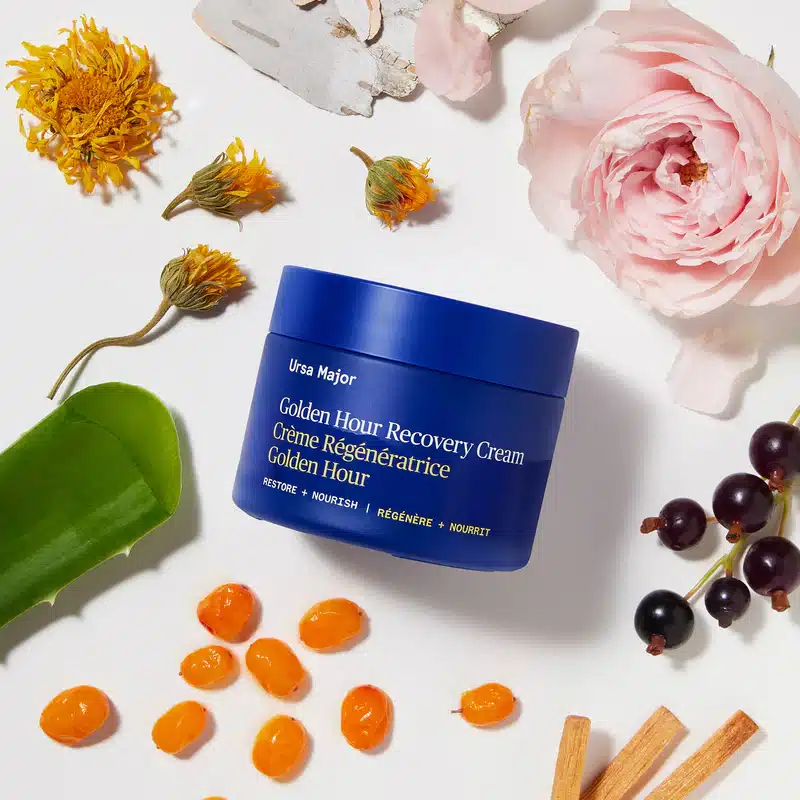
- Ursa Major Golden Hour Recovery Cream
Golden Hour Recovery Cream by Ursa Major is a restorative moisturizer designed to revive dry, fatigued skin with a blend of deeply emollient and soothing ingredients.
It’s particularly beneficial for normal to dry or stressed skin types that need extra nourishment and comfort.
Key ingredients like jojoba oil, shea butter, and green tea extract deliver hydration while calming inflammation and protecting against free‑radical damage.
We can’t say this enough, don’t forget your SPF!
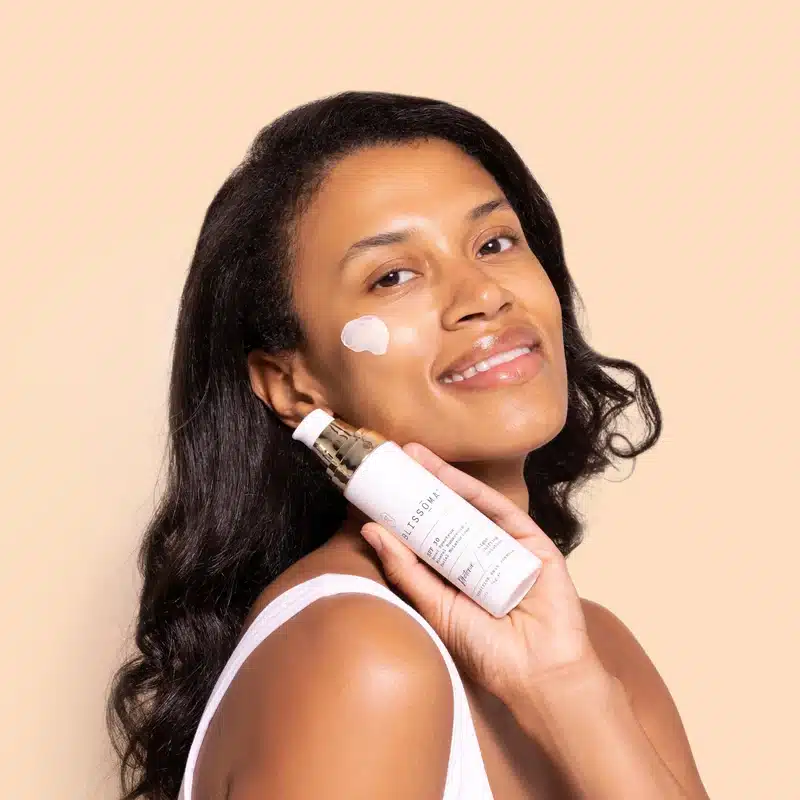
Beauty Heroes carries a great selection of suncare products ranging from SPF25 to SPF50, to ensure that all skin types are protected.
Our personal favorite:
The Photonic Light‑Shifting Solution SPF 25 from Blissoma offers daily mineral protection while doubling as a lightweight skincare treatment.
Designed for sensitive or reactive skin, its gentle physical filters help block UVA/UVB rays without irritating chemical actives. It also incorporates visible light filtering technology, which helps protect against blue light.
Infused with soothing botanicals like chamomile and aloe, plus antioxidant support from plant extracts, this SPF calms the skin while preventing oxidative stress.
And if you want to battle signs of aging with a strong but gentle retinol, these are our two favorite options:

- Marie Veronique Multi‑Retinol Night Emulsion
The Multi‑Retinol Night Emulsion is a targeted anti‑aging treatment that blends three retinoid ingredients, including encapsulated retinol, retinyl sunflowerseedate, and bakuchiol.
This formula works well for normal to resilient skin types looking to smooth fine lines, refine texture, and accelerate cell turnover without excessive irritation.
In addition to retinoids, this emulsion includes supporting ingredients like hydrating humectants, soothing botanicals, and antioxidant complexes to counteract dryness and calm sensitivity.
The Lunula Anti‑Ageing Night Facial Oil merges the benefits of stable retinol with deeply nourishing oils to support overnight repair and renewal.
This oil is especially well‑suited for dry, mature, or sensitive skin that needs the effectiveness of retinoid without the dryness associated with harsher formulas.
Its base of botanical oils like pomegranate, evening primrose, baobab, cranberries, and sea buckthorn delivers rich, antioxidant‑packed nourishment while you sleep.
The hydrogenated form of retinol used in this oil is more stable and less irritating than traditional retinol, making it easier to tolerate for sensitive or barrier‑compromised skin.
Keep Your Skincare Routine Clean, Simple, Consistent
The best skincare routine is one you can stick to.
When you focus on clean formulations, correct order, and intentional steps, your skin is better equipped to heal and glow naturally.
Start simple, listen to your skin, and invest in products that truly earn their place in your routine.
To discover new clean products monthly and get a 15% discount on your favorites, subscribe to Beauty Heroes today.